Writing for transformation
How can you reflect on your position as a storyteller, find your voice in a cacophony of content, and contribute meaningfully?
A course for journalists, content creators, media managers, communication officers, and storytellers.
What people are saying
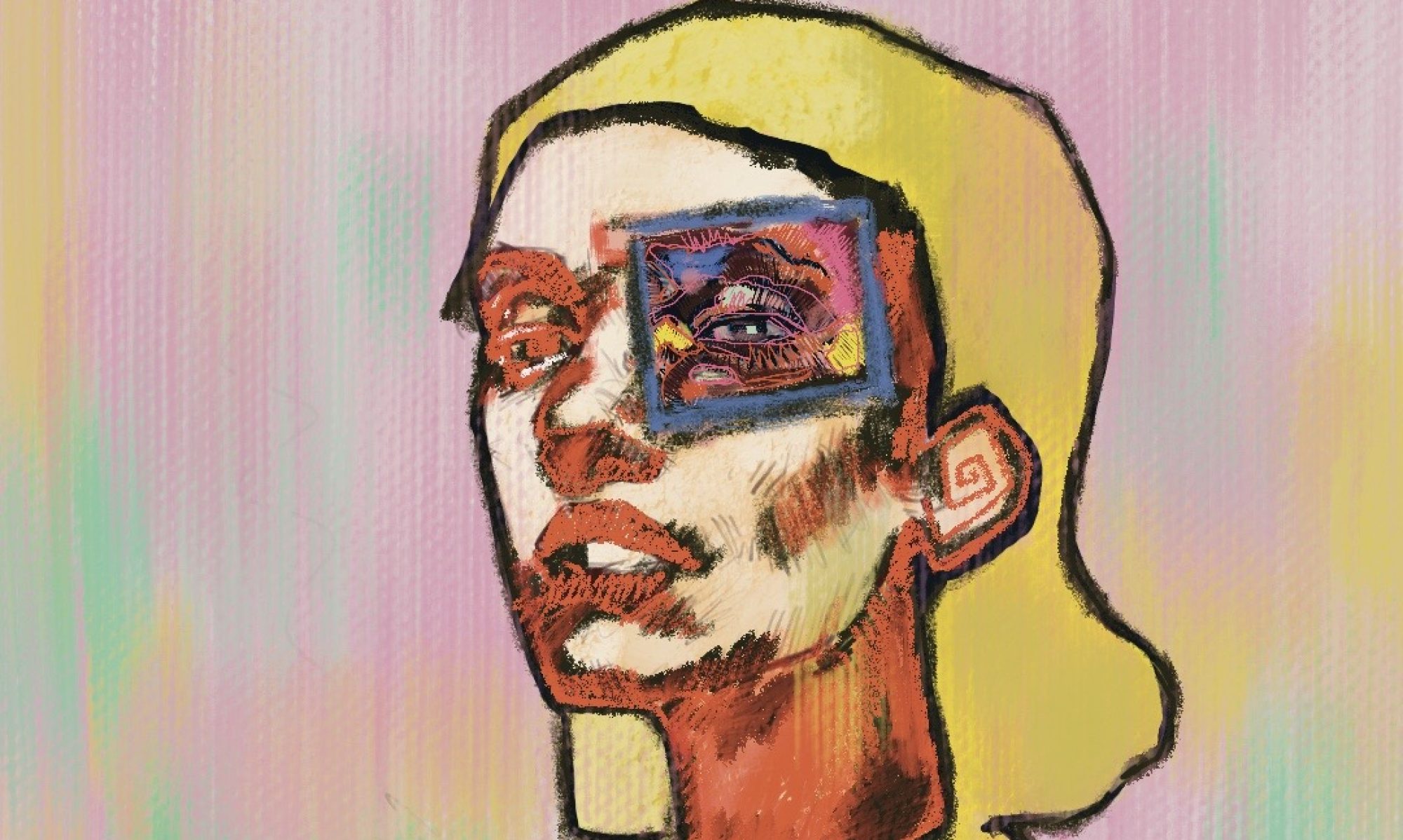
“It was transformative in ways I did not even expect. It widened my worldview. It changed the way I position myself in the world and the way I approach my job and life. The Zine is the result of that transformative process, and it’s beautiful.”
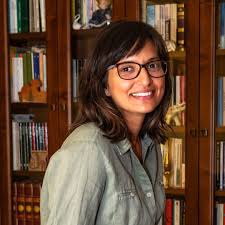
Manuela Callari 🇮🇹
Science journalist
Guest speakers
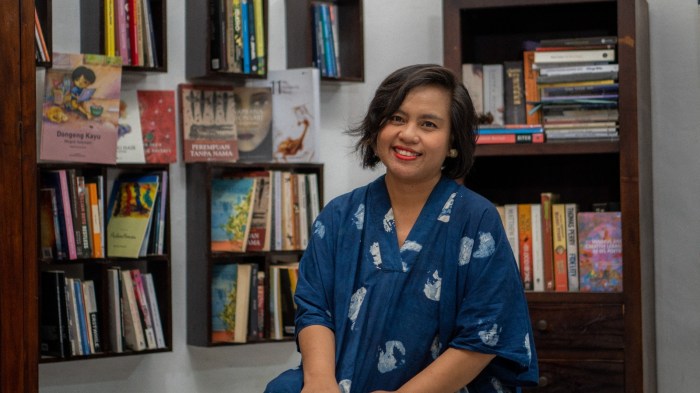
Kadek sonia Piscayanti
Writer, poet, community leader, lecturer, and co-founder of Singaraja Literary Festival in Bali, Indonesia.
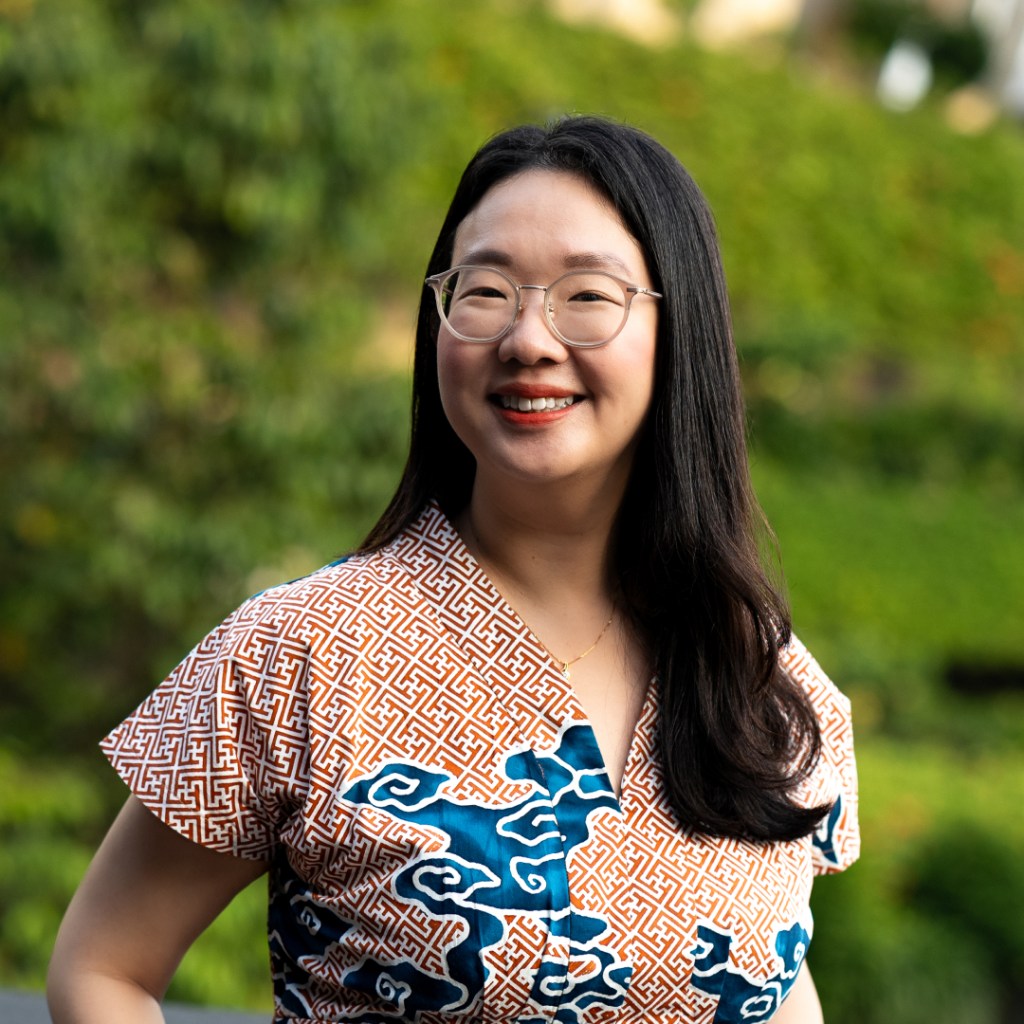
Pei Ying Loh
Peiying, co-founder of Kontinentalist, an award-winning data-driven editorial studio in Singapore.
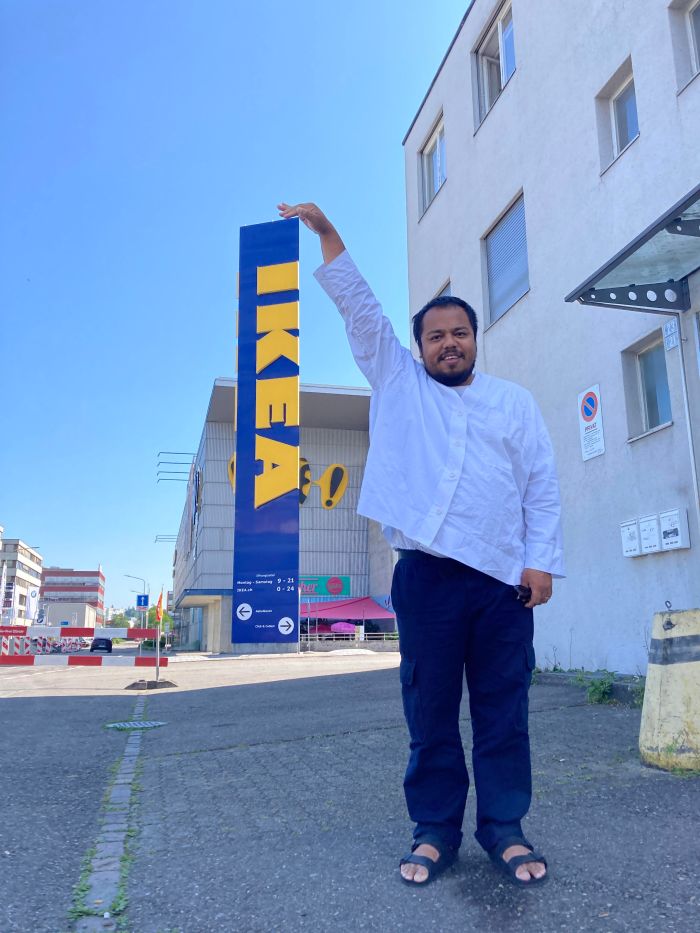
Debasish borah
Visual artist and doctoral fellow at ETH Zürich, Switzerland
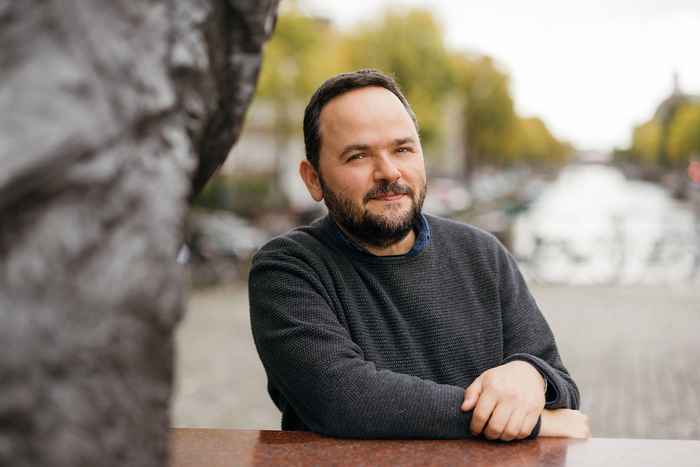
Rolando VÁzquez Melken
Professor of Post/Decolonial Theories and Literatures, with a focus on the Global South.
Sanne Breimer (facilitator)
Journalism trainer, mentor, and researcher. Founder of Inclusive Journalism.
What people are saying
Marianne van Dijk 🇳🇱
Trainer in non-violent communication and conflict mediator.
“What I loved about the course with Sanne is that she has a broad perspective on anti-racism work. She includes all systems of oppression and explains how they all cooperate. She teaches the history of how things came to be as they are and also invites people of color who currently do important work in this field as guest teachers. It was helpful that she pointed out the need for self-care while learning about this topic. I also liked how things were very practical, like looking at who you follow on social media and making that more diverse. I feel like this course was the perfect kickstart of my anti-racism journey.“

Shafi Musaddique 🇬🇧
Journalist covering minorities in Europe for The Guardian, Al Jazeera. News editor at Alliance Magazine.
“My mind, my heart and my soul have been stretched! The course has shifted the way I interact not just with the world, but it has given me the confidence to continually critique decolonial theory – even if it means interrogating my own bias. It has revitalized my passion for always finding the margins, always questioning and challenging – as well as affirming – my sense of self. And a beautiful community is being built here. Freelance life can be isolating, but this felt like a collective. (Liberation will happen collectively, not independently). I will be taking writing for transformation into my workspaces and everyday life. Thank you!”
Suzan Ironsi 🇳🇬
Communication strategist.
“I had a good experience with the course! Sanne’s facilitation was engaging, thoughtful, and truly supportive throughout the entire learning process. She created an environment that encouraged deep reflection and meaningful exploration of the ideas. Additionally, the resource persons she brought in for the presentations were engaging. Their expertise and insights added tremendous value to the process, offering practical knowledge and a fresh perspective that enriched the overall experience. It’s not an orthodox template that’s offered, and that’s why I would highly recommend this course to anyone looking to deepen their understanding and grow in their writing journey!”
The program
The course helps you to explore the challenging topics of our times and the interconnectedness of global history through writing. It connects the dots between representation, decolonization, well-being, and climate change through five online modules with an international group of people.
The program looks at root causes and combines theory and practice, inspired by insights working in journalism and publishing, decoloniality studies, Solutions Journalism, Complicating the Narrative, the theory of yoga and meditation, and holistic lifestyle coaching.
SESSION 1 | March 30, 2025 | 2 PM CET
An introduction to the basic framework for decolonial thinking and exploring where the colonial past touches our own lives, and what we as storytellers can do to include it in our writing.
SeSSION 2 | April 6, 2025 | 2 PM CET
Data storytelling from a decolonial perspective.
Guest speaker: Peiying, co-founder of Kontinentalist in 2017, an award-winning data-driven editorial studio. Kontinentalist has told innovative and rigorous data stories on topics ranging from how the rubber industry in Singapore and Malaysia was shaped by colonialism, to communicating climate change in Southeast Asia. With Kontinentalist, Pei Ying seeks to empower voices through cause-driven stories as well as change people’s perception about Asia and its cultures. She is a board member for the Society for News Design, and has an MSc in Data, Inequality, and Society at the University of Edinburgh’s Futures Institute with support from the Chevening Foundation.
SeSSION 3 | April 20, 2o25 | 2 PM CET
About Bali, Indonesia: the Balinese concept of Tri Hita Karana, patriarchy, overtourism, the well-being industry, and writing as a tool to change the society around you.
Guest speaker: Sonia Piscayanti. Sonia runs Komunitas Mahima in the North of Bali and shares her work empowering Balinese women through poetry and writing and letting them be heard. She reflects on her own position in Balinese society. Besides being a community builder, Sonia is a writer, a lecturer in English literature, a theatre maker, a partner, and a mom. She is co-founder of the Singaraja Literary Festival, held annually since 2022.
SESSION 4 | April 30, 2025 | 2 PM CET
What does “decolonizing journalism/ storytelling” mean?
Guest speaker: Rolando Vázquez Melken, Professor of Post/Decolonial Theories and Literatures, with a focus on the Global South.
Q&A.
SESSION 5 | May 11, 2025 | 2 PM CET
Who tells the story? Exploring positionality, objectivity, and parachuting in storytelling. With attention to Solutions Journalism and Complicating the Narrative.
Guest speaker: Amy Hall. Amy is Co-editor of New Internationalist Magazine. She will explore with you why your positionality as a writer matters, and how it influences what gets told and how. Every storyteller carries their own lens, but are you aware of yours? What happens when stories are told with communities, rather than about them?
You’ll discuss parachute journalism and get a sense of how New Internationalist implemented Solutions Journalism in the series Decolonize, How?
SeSSION 6 | May 25, 2025 | 2 PM CET
What do borders mean in our world? How can we understand borders both as abstracts and lived experiences? How are they made, remade, drawn, redrawn, and what do they do with cultures? How can we understand European modernity beyond its simplified notion of ‘Western’, can we understand modernity not just geographically but also cognitively and emotionally? What does it mean to be modern?
Guest speaker: Debasish Borah. Debasish joined the Institute for History and Theory of Architecture at ETH Zurich in 2022 as a doctoral fellow. He is a visual artist working with mediums of photography, video, performance, and publishing. In his research and practice, he attempts to understand Imperial frontier-making and political modernity in Northeast India. He works with mundane micro-histories, found objects, and self-made photography and video. He graduated in 2013 with a Master’s degree in architecture history, theory, and design from CEPT University, Ahmedabad, India. He is also the co-founder of Art Book Depot, India’s first independently organized art book festival. Debasish was born and brought up on the fringes of the Indian nation-state; in Arunachal Pradesh.
WHO IS IT FOR?
You are a storyteller; whether you are working in journalism, publishing, or communications, or you are a professional writer or someone whose hobby is writing.
You are interested in global affairs and how they play out locally. You want to learn more about decolonization, representation, and how to implement it into your work.
In this course, you learn from each other. You are equal because you are different. And you share this knowledge from a humbling position with respect for your teachers. Nobody has a special position, everyone has a valuable position.
The idea for the course comes from the book “The Nutmeg’s Curse” by Amitav Ghosh:
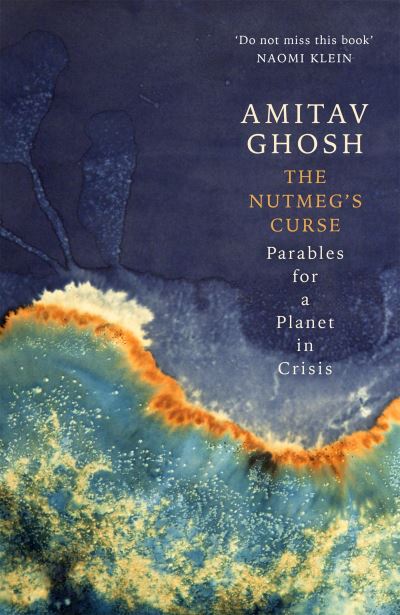
“What the earth is exhausted of is not its resources, what it has lost is its meaning. This is the great burden that now rests upon writers, artists, filmmakers, and everyone else who is involved in the telling of stories: to us falls the task of imaginatively restoring agency and voice to nonhumans.”
What do you get out of it?
- A good understanding of representation and decolonial theory in storytelling;
- Improvement of your (creative) storytelling skills;
- A basic understanding of Solutions Journalism and Complicating the Narrative and how constructive methods improve representation;
- New perspectives on pressing issues and the interconnectedness of topics;
- Becoming part of a (global) community of storytellers with regular alumni activities;
- Free access to new guest speaker sessions in upcoming Writing for Transformation courses;
- Confidence to take your place as a storyteller, understanding your position.
TESTIMONIALS
“Loved this workshop and the ability to do a deeper dive into what decolonizing means when writing stories and articles. Great guest speakers and Sanne is such an enthusiastic and supportive facilitator.”
LinDen HUIZINGA 🇨🇦
Social worker
“This was a great introduction to approaching decolonization issues that went beyond journalism and offered useful frameworks, prompts, and discussions from multiple angles. Sanne is a generous facilitator too, especially for her ability to hold a safe yet honest space for us to unpack heavier topics.”
Priya Kulasagaran 🇲🇾
Advertising and communications, reporter, writer for poetry, film, and video games.
“As a mixed-race person of color, Sanne has helped me to find more clarity on the insecurities about my identity and the cause of them. Her course was a safe space where I could dive deeper into the journey of understanding my position within the system. There was a good balance of personal sharing and receiving all of her knowledge about this topic. I liked that it was held in a group setting and that we were able to have discussions as participants among each other.”
MOENJA SCHijven 🇳🇱🇲🇦🇮🇩
Graphic designer
“I’d been grappling for a while to find my place in a world that seemed to be telling me to step back and allow others who’d been afforded less privilege a chance to be seen. This approach didn’t appear to be doing much to increase diversity and though I want to be part of the solutions, not the problem, I didn’t know where I fit in and what I could do.
Sanne was the right person to help me with this adjustment, having come from a similar background and therefore understanding the difficulties of my position. I was able to explore and learn without judgment.
Through this course, I was challenged to delve into my own roots and to find a sense of place in connection to the land where I was born and grew up. I’ve come away feeling more confident in myself and my role in our diverse world moving forward.”

Lucy Marinelli 🇦🇺🇮🇩
Creative writer, poet, and writing coach.
Pricing
This course uses a sliding scale based on where you live and work to keep it accessible across different economies and income levels. We base this on global GDP per capita (Worldbank) — because we believe equity matters.
(Calculate your rate by dividing the GDP per capita of your country by 150.)
Choose the rate that best fits your situation:
Supported rate
From $30
For freelancers and self-funded participants living in countries with lower income.
Examples:
🇰🇪 Kenya $30
🇲🇽 Mexico $92
Standard
rate
From $260
For freelancers and self-funded participants in higher-income countries.
Examples:
🇮🇹 Italy $260
🇬🇧 The UK $330
Sustainer rate
$567
For participants whose employer is covering the fee. This rate helps sustain the course and allows others to join at a lower cost.
Based on Singapore’s GDP per capita — the highest in our model.
Join the Community circle!
All alumni of the Writing for Transformation course get access to the Community Circle one week before the course starts. You can join if you sign up before March 23, 2025.
- Network and connect before the course starts;
- Join community-led creative writing sessions;
- With a guest speaker Laurie Goering, who is a climate editor with a track record of impactful projects;
- With presentations from alumni about what they’ve been working on since the course;
- You can share your work and seek accountability partners.
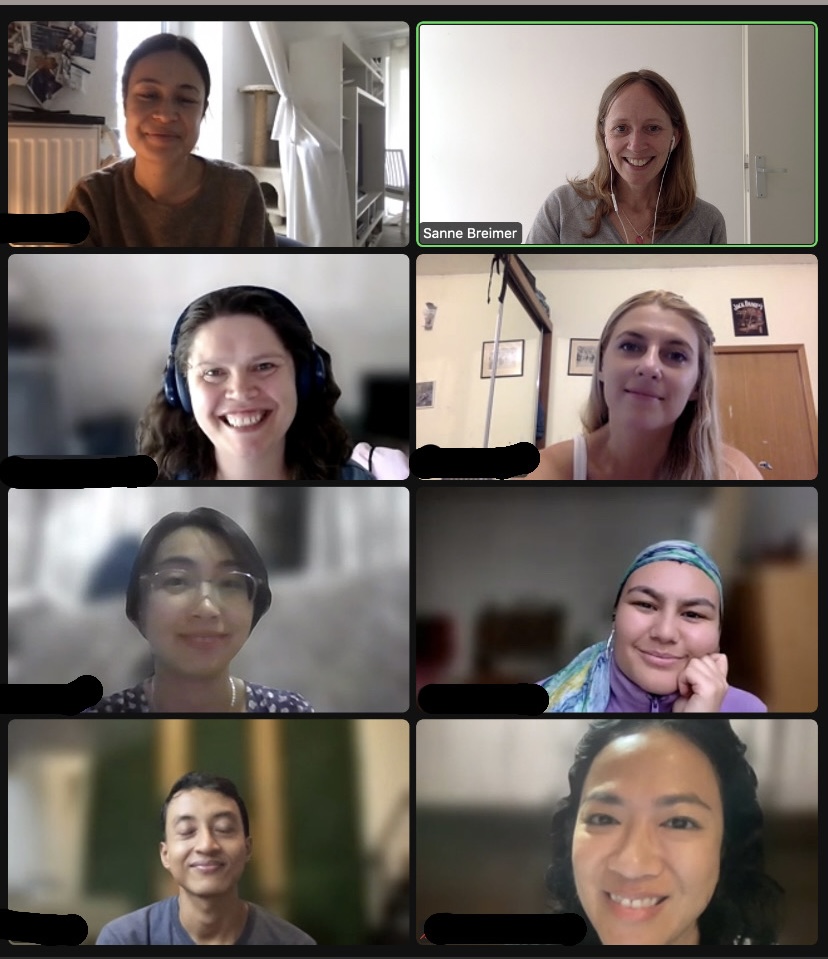
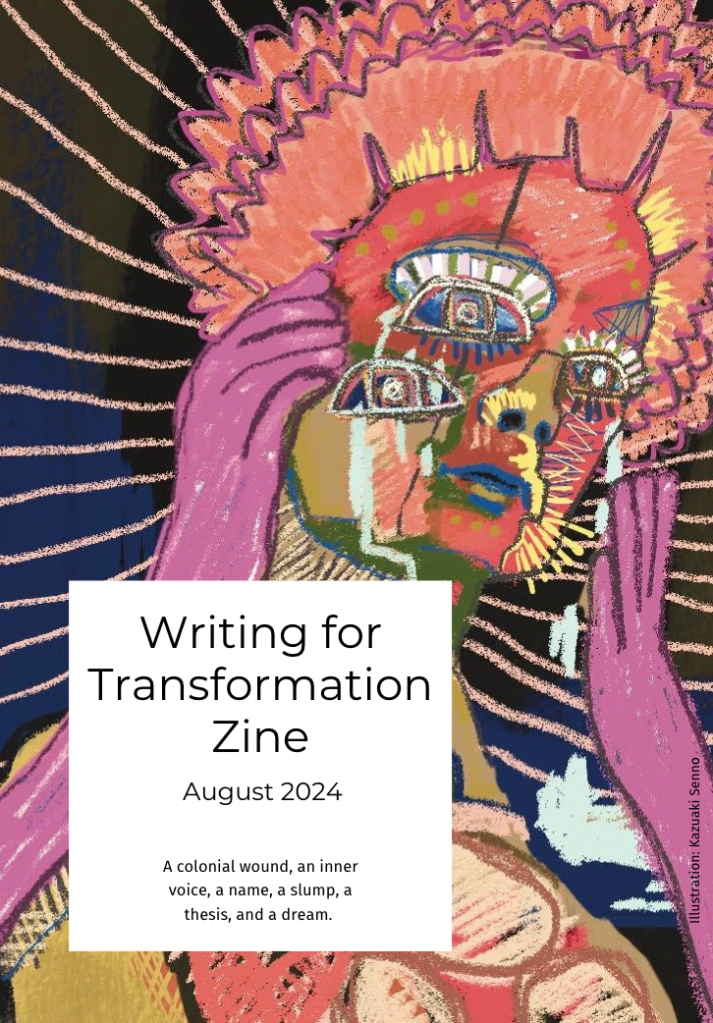
Read the Writing for Transformation Zine #1 with contributions by Samantha Bellenbaum, Martine Beernink, Ron Ma, Manuela Callari, , Grace Tan-Johannes, Ana Maria Ciobanu, and Akhlis Purnomo.
 Inclusive Journalism
You must be logged in to post a comment.