A practical leadership course for editorial decision-makers
What does it mean to be a narrative leader in 2026? How can you take the lead in helping people to understand the world? Stories are more important than ever, but by whom, where, and how do they get told?
Leading for Transformation is a course for editors-in-chief, associate editors, managing editors, founders, product and communication leads, and all-level managers who push change. If you want a clearer sense of what it means to lead and a safe global space to discuss challenges, then this is for you!

Start: 23 April 2026 • 6 sessions• Weekly 2 PM CET • 2,5 hours per session• recordings available.
Guest speakers
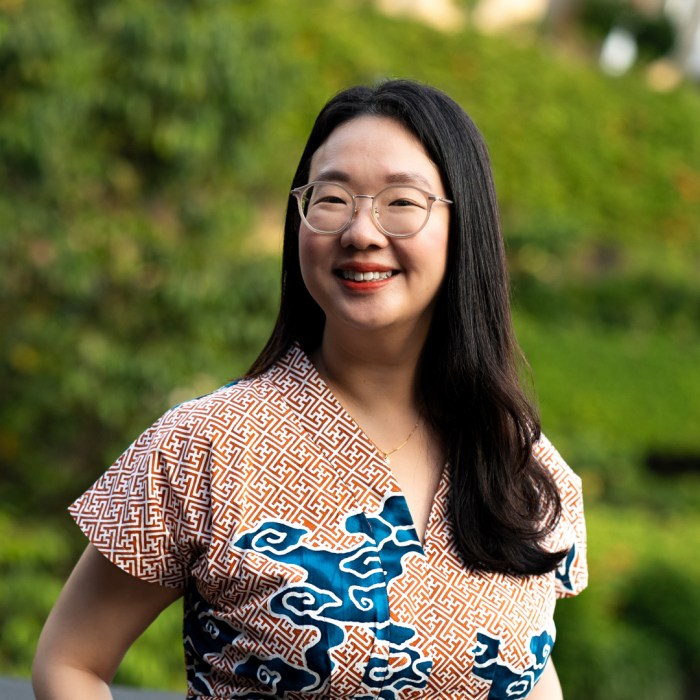
Pei Ying Loh
Peiying, co-founder and Head of Kontinentalist, an award-winning data and editorial studio an award-winning data and editorial studio in Singapore that advocates for a more equitable world.
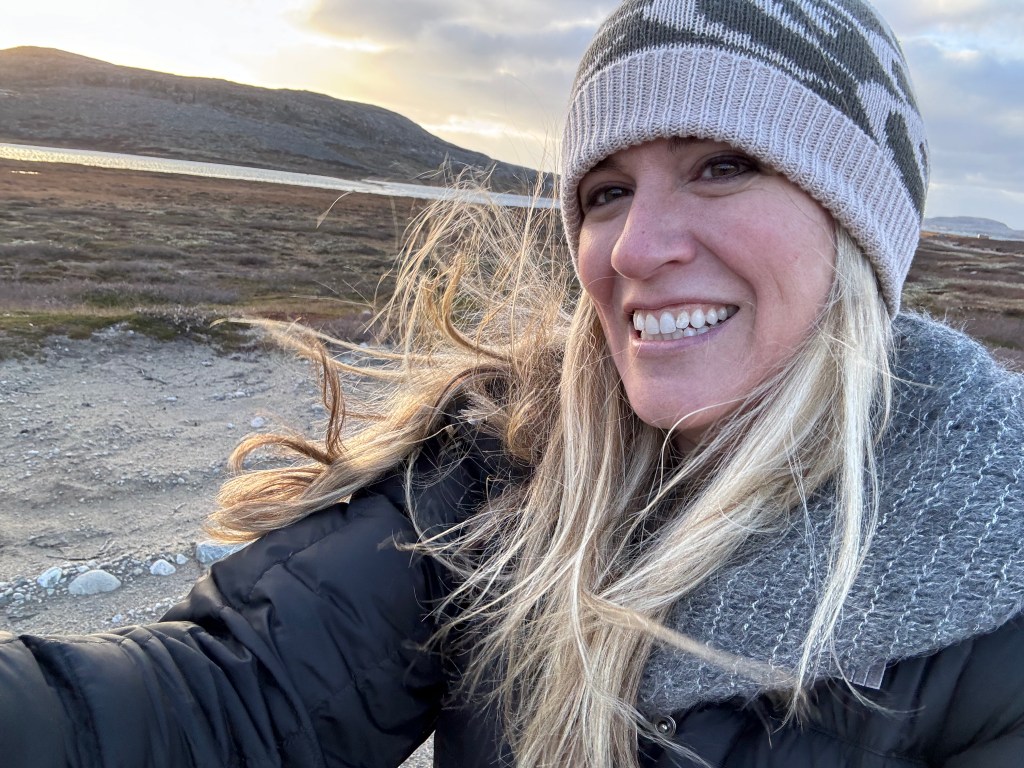
Aphrodite Salas
Aphrodite is a journalist and professor at Concordia University in Montreal, Canada, focusing on mobile journalism, collaborative journalism with Indigenous communities, and the decolonization of journalism education.
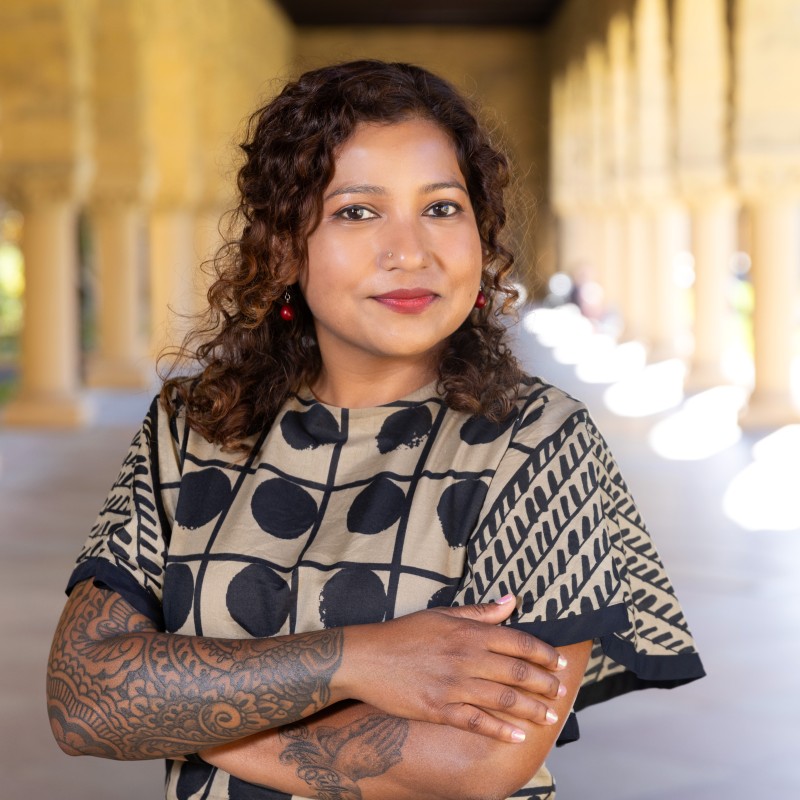
Darshini Kandasamy
Darshini is a Malaysian journalist, editor, media trainer, and entrepreneur with a background in investigative and environmental reporting. She is the founder of Trident Media.

TO Be announced

Kassy Cho
Kassy is the founder and editor-in-chief of Almost, an independent, social-first international media outlet telling underrepresented stories for young audiences across English and Chinese, and the founder of Almost Studio, the consulting arm that works with organisations like Amnesty International and Save the Children on social-first storytelling and audience strategy.
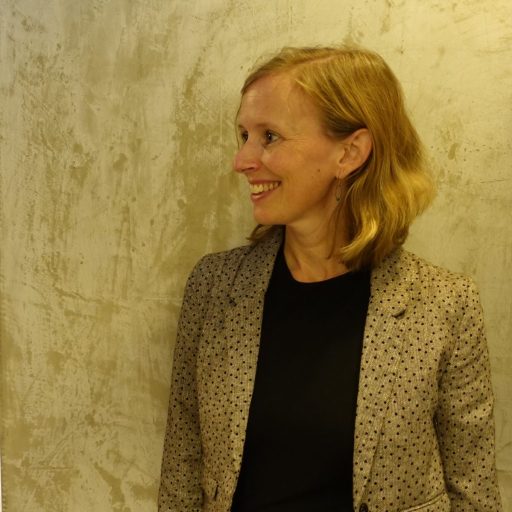
Sanne Breimer (facilitator)
Sanne Breimer is the Founder of Inclusive Journalism and a global media strategist, trainer, coach, and researcher.
She has over a decade of experience in management roles in Dutch national public broadcasting and as a remote working project manager for clients like SembraMedia and Thibi.
The program
The sessions focus on helping you, as a narrative leader, make stories that matter. It is not easy to guide a team during a global wars and genocide, or be the primary point of contact for colleagues who feel depressed by the current state of affairs. At the same time, shaping public narrative continues and is more important than ever.
Is the world getting increasingly complex, or is there finally more clarity about the connection between wars, climate crises, mass migration, polarization, authoritarianism, fast-moving AI, and platform disruption?
You will learn about these intersections and also get practical tools on how to organize your work and your (mental) health better. You hear from thought-provoking guest speakers who inspire you to take the lead just as they do. New voices and new ways of telling stories have already emerged, offline and online. The question is, where do you position yourself in this landscape, and what is your role in navigating it?
Narrative leadership that understands the interconnectness of topics and a decolonial approach to storytelling shifts the goal from dominating knowledge, people, and processes to redistributing power, repairing harm, and centring historically marginalized ways of knowing.
Good leadership also exists by virtue of working smartly and applying methods and tools to help strengthen your and your team’s performance. You will practice leading in uncertain and unsettling times, from personal loss and collective grief to climate anxiety and political pressure, with all the ethical leadership questions involved.
Six (recorded) live sessions about different leadership themes, with guest speakers and practical, hands-on homework. You receive usable deliverables such as a template to (re)write your vision and mission, a decision map (who decides what) for team organization, a team policy on care, and a simple pilot plan that you can test as a result of the course.
About Sanne
Sanne is the organizer of the course and knows the transformation process from the inside. For more than ten years, she held managerial roles in Dutch (semi-)public broadcasting. She learned how hard it is to balance institutional structures with the need for innovation and representation, and stay sane at the same time. This course is born from that experience, and from her conviction that narrative leaders need guidance now more than ever.
SESSION 1 | 23 APRIL, 2026 | 2 PM CET
Positionality and leadership practice.
An introduction to the framework of decolonial thinking applied to narrative change. Explore and clarify who you are as a decision-maker, how your values and history shape your editorial choices and leadership style.
Guest speaker: Peiying Loh of Kontinentalist. As the leader at data and editorial studio Kontinentalist in Singapore, Peiying reworked the mission and editorial strategy to center equitable, data-driven stories and will discuss redesigning vision and editorial values for a small data newsroom.
Session outcome: a one-page positionality note (who you are as a leader), a (re)draft of your organization’s mission/vision, and a role-model presentation.
SeSSION 2 | 30 APRIL, 2026 | 2 PM CET
People and culture.
Translate a mission into concrete content strategies and processes around hiring, onboarding, and the editorial culture you want to create.
Guest speaker: Aphrodite Salas of Concordia University. As a journalist and associate professor, Aphrodite blends solutions and Indigenous-led collaborative projects (“Arctic shift to clean energy”) and will speak on collaborative storytelling, public policy engagement, and durable partnerships.
Session outcome: a content strategy template, a decision map, and a collaborative practice outline.
SeSSION 3 | 7 MAY, 2o26 | 2 PM CET
Sustainability and well-being.
Financial and human sustainability include budgeting basics, trade-offs around funding, burnout, and leading through grief.
Guest speaker: Darshini Kandasamy of Trident Media. As the co-founder of Trident Media and JSK fellow, Darshini speaks from lived experience on the ups and downs of media entrepreneurship. She’ll talk about the importance of budgeting, and share about leading through personal loss.
Session outcome: a simple budget plan for your team or project. A testable wellbeing practice or policy.
SESSION 4 | 14 MAY, 2026 | 2 PM CET
Systems, tech, and ethics
How tech tools and ethical choices shape editorial outcomes through rules for automation (AI), platform risk, and language choice around topics like the genocide in Gaza. And why taste is still important in decision-making.
Guest speaker: Kassy Cho of Almost. Kassy shares how she built a remote, bilingual newsroom led mostly by young women of colour, and then designed the systems to make it work.
In this session, she shares how infrastructure, culture, and editorial values can be designed together rather than in isolation. From async documentation and virtual offices to human-reviewed AI translation and a team culture where honesty, accountability, and looking out for each other are built into how the work gets done, Almost is a case study in what it looks like when the way you work reflects the stories you want to tell. For leaders navigating how to build teams that are under-resourced, globally distributed, and deeply values-driven, this session offers both a model and a provocation.
Session outcome: A workflow audit (what’s automated vs human reviewed, what are ethical risks).
SESSION 5 | 21 MAY | 2026| 2 PM CET
Crisis reporting and team safety
Digital security and safety for newsrooms and editorial teams (also in exile). Protocols for crisis reporting, protecting staff and sources, and legal risk. The session pairs practical safety measures with editorial methods like Solutions Journalism and Complicating the Narrative.
Guest speaker: To be announced
Session outcome: A safety protocol for reporting in crisis. Solutions journalism implementation plan.
SeSSION 6 | 28 MAY, 2026 | 2 PM CET
Implementation, impact, and measurement.
From thinking to doing. Turn pilots and MVPs into measurable organizational change with simple indicators, learning cycles, and stakeholder reporting.
Guest speaker: To be announced.
Session outcome: Finalize the overall editorial plan: decisions, timelines, ownership, checklist. Present a pilot and choose an accountability partner.

WHO IS IT FOR?
This program is for people who want to change public storytelling: editors, content leads, and emerging leaders who want to replace crisis-driven, US – and Eurocentric narratives with contextual reporting while keeping themselves and their team healthy.
If you’re asking questions like these, you’re in the right place:
- How do I lead through complexity (polarization, platform shifts, AI, funding pressures) without burning out my team or myself?
- How do I build care-centered, accountable cultures that still deliver rigorous work?
- How can I serve local communities while staying connected to global and geopolitical contexts like climate, wars, migration, and inequality?
- How do I respond to new technologies when the org is under-resourced or under-staffed?
You’ll join a community of like-minded leaders. No gurus, no special seats: everyone holds expertise and responsibility. The course applies adult learning techniques.
What do you get out of it?
- Practical and equitable leadership principles for editors and narrative-makers.
- Template examples: budgeting and funding frameworks, positionality practice, decision map, conflict map, and policies to test in your team.
- Methods from Solutions Journalism and Complicating the Narrative, adapted for leaders.
- A small, international peer cohort for accountability and peer feedback.
- Access to the alumni sessions.
TESTIMONIALS
“Sanne created a tailor-made mentoring trajectory on inclusive journalism for me. She is not only a very qualified and dedicated trainer, but she is also a great partner for discussion and reflection. With a hands-on approach and a wonderful sense of humor.”

Maria Punch 🇳🇱
BNR Nieuwsradio, Netherlands
Pricing and scholarships
This course uses a sliding scale to ensure accessibility across diverse economies and income levels. There is a limited number of scholarship seats available for applicants who cannot afford the full fee. To apply, answer the short scholarship question on the form. We select on the basis of need and fit, and will notify successful applicants within 7 days of the deadline.
Choose the rate that best fits your situation:
Supported rate
$275
For self-funded participants, freelancers, and independent consultants.
Standard rate
$495
For small to mid-size organisations with limited training budgets.
Sustainer rate
$695
For larger organisations and institutions (invoice). 10% for more than two seats.
Additional mentoring
Alongside the course, you can choose to deepen your learning through one-on-one mentoring. These sessions are tailored to your leadership challenges, whether that’s navigating complexity in your newsroom or finding clarity in your role. Mentoring gives you space to (self-) reflect, get direct feedback, and translate course insights into practical steps for your context.
Options:
4 sessions → $399
2 sessions → $199
 Inclusive Journalism
You must be logged in to post a comment.