The programmes below illustrate how Inclusive Journalism works across different contexts and institutional settings. Each engagement was designed in response to specific editorial or organizational questions, rather than delivered as a standard training format.
Pulitzer center
Context
Journalists in the Pulitzer Center fellowships are working under sustained pressure, often reporting on complex and emotionally demanding topics. There was a clear need to address exhaustion and well-being without separating it from journalistic practice.
approach
Inclusive Journalism designed and facilitated two online sessions with a month in between, which integrated well-being literacy and embodied elements. Rather than framing well-being as a separate skill set, the sessions connected physical awareness and pacing directly to journalistic practices. Participants got a month to implement one small step towards improving their well-being.
Why this format
A conventional well-being workshop would not have addressed the specific realities of journalistic work. The programme was designed to support participants in sustaining their practice over time, without lowering professional standards or simplifying the work they were doing.

Alliance Magazine
Context
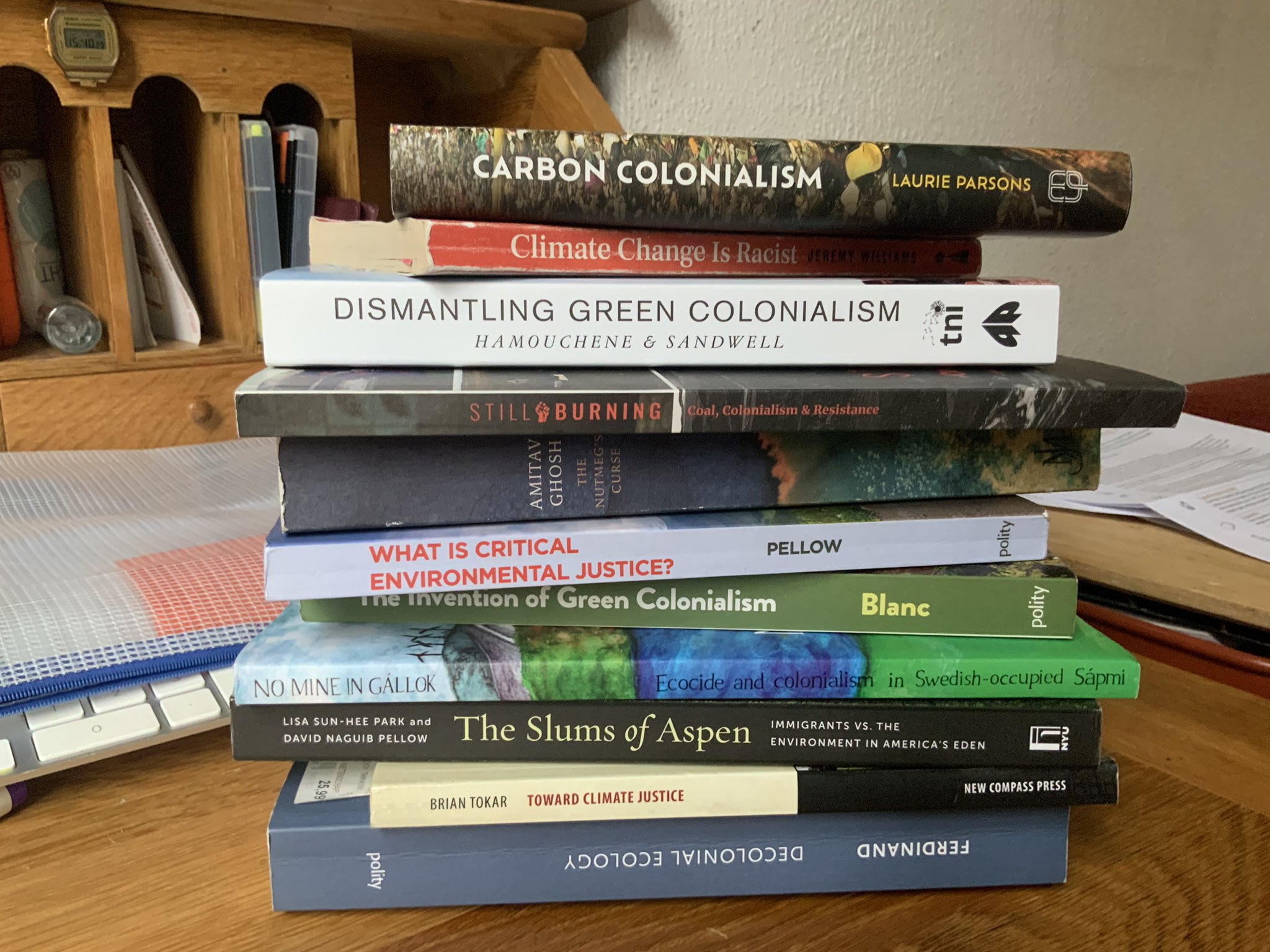
Alliance Magazine was exploring how decolonial thinking could inform its editorial approach and broader conversations within philanthropy. The challenge was to engage critically with power and representation without turning decoloniality into a buzzword or abstract theory.
Approach
Inclusive Journalism facilitated a session combining narrative analysis, critical reflection, and guided discussion. The focus was on how language, framing, and editorial choices shape whose knowledge is centered and whose is not, within philanthropic and media spaces.
Why this format
The session was designed to open up complexity and disagreement, rather than offering prescriptive answers. This created space for reflection while keeping the discussion grounded in concrete editorial practice.
Selected public interventions
In addition to programme design and facilitation, Inclusive Journalism contributes to public conversations where editorial, ethical, and leadership questions are under active debate.
Al Jazeera media conference – research paper
November 2025
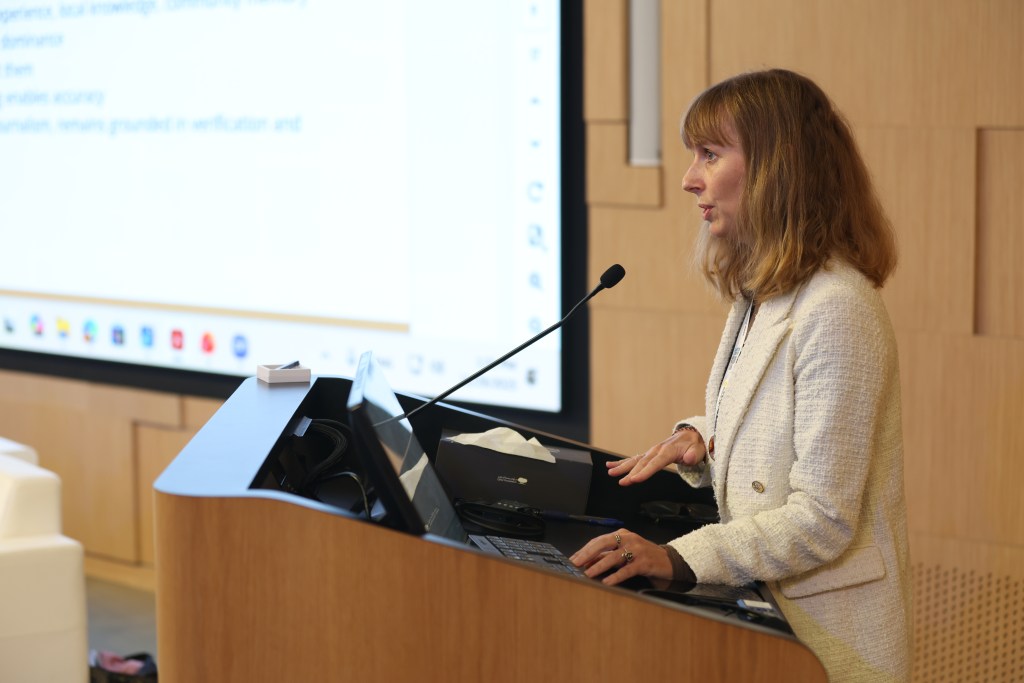
How can journalism address Gaza without defaulting to false balance, dehumanization, or procedural neutrality, and what are the ethical limits of dominant media frameworks? The paper presented a comparative analysis of mainstream and digital native media coverage of Gaza, drawing on decolonial theory, media ethics, and close reading of narrative framing. The contribution positioned narrative framing as an ethical decision rather than a stylistic choice, offering journalists and scholars a practice-oriented lens for rethinking conflict coverage.

Sembra Media’s Global Project Oasis
At the Global Investigative Journalism Conference (GIJC25) in Malaysia.
What does the global landscape of independent digital native media look like, and how can research inform more audience engagement structures?
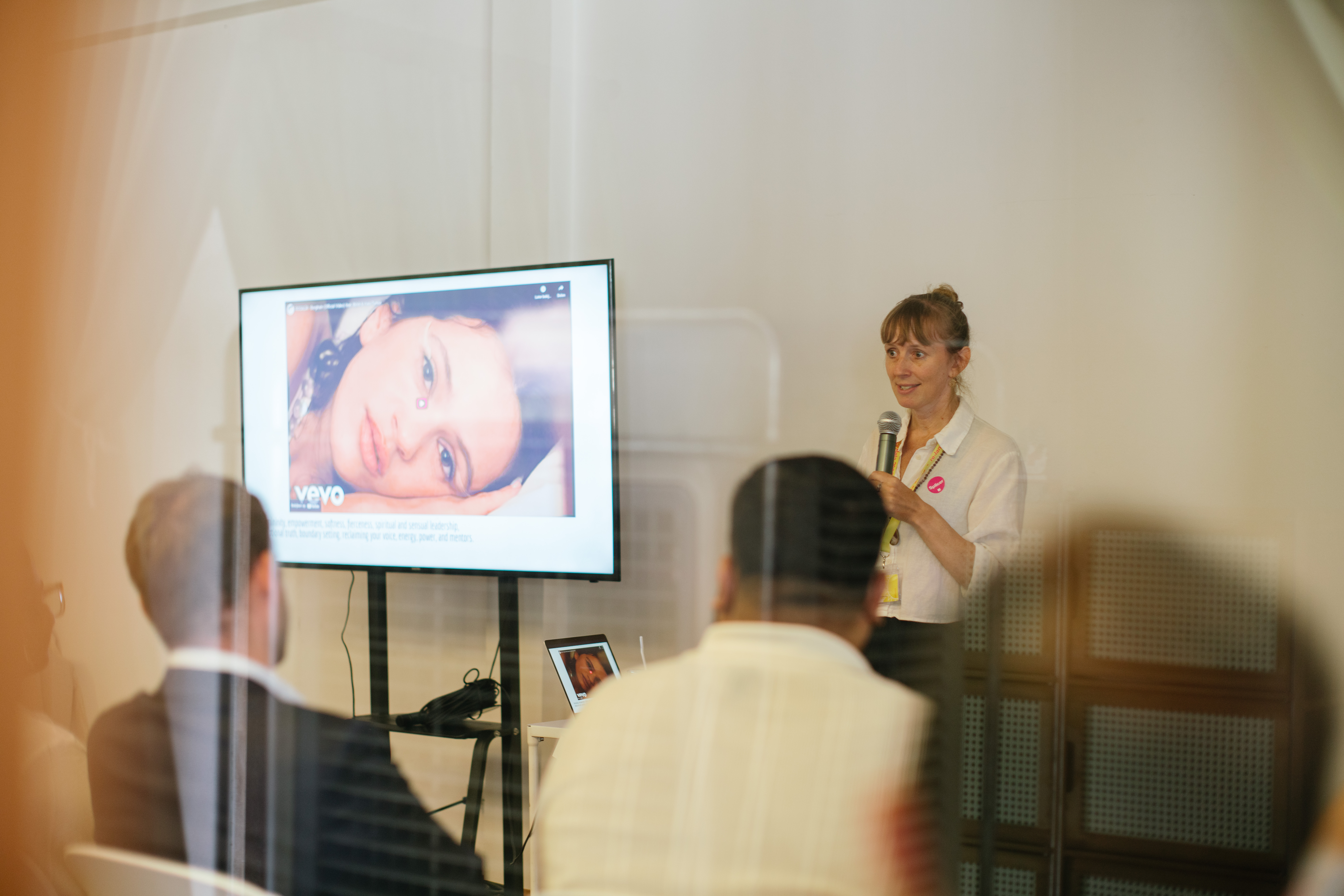
The presentation shared insights from Project Oasis, a global research initiative mapping digital native media organizations. The focus was on patterns, gaps, and structural challenges faced by independent outlets across regions.
Watch on YouTube: presentation on media cases from Northern Europe in Project Oasis.
Splice beta: leadership toolkit
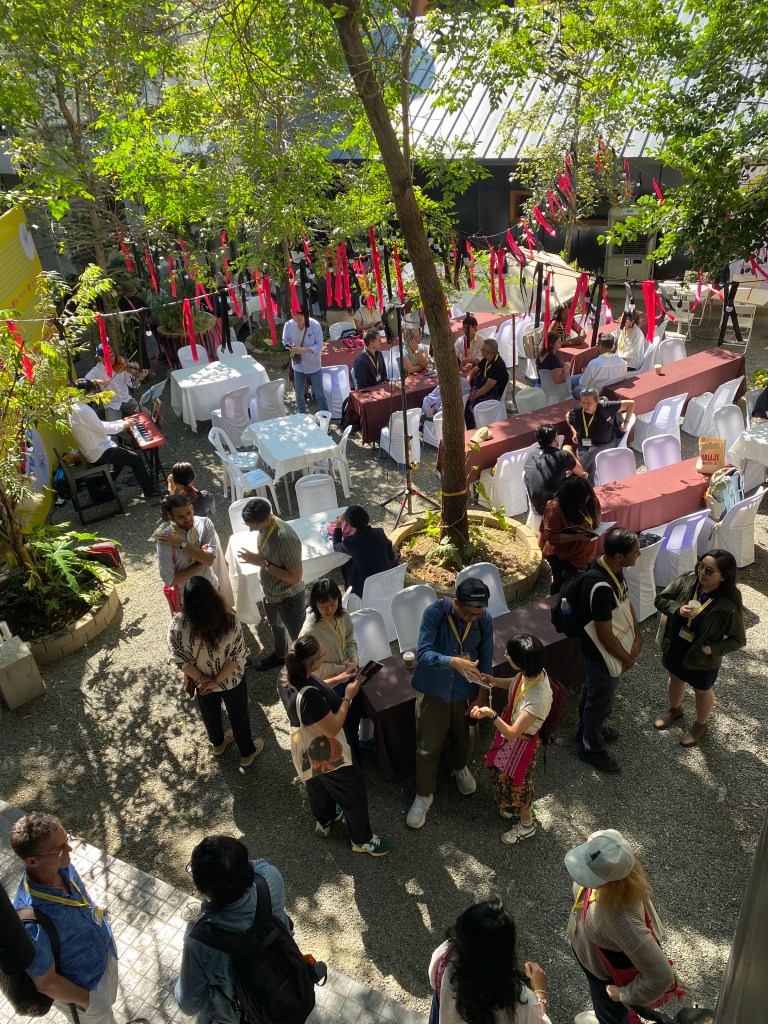
Chiang Mai, Thailand, 2025
How do media leaders make decisions under pressure, particularly when traditional growth, funding, or impact models no longer hold?
The session explored leadership beyond performance and scale, focusing instead on responsibility in taking care of yourself, your team, and the ability to work with uncertainty. Drawing on journalism practice, organizational experience, and reflective methods, the talk invited participants to reconsider what impact means in fragile media environments.
Panel discussion at the International Journalism Festival on ethics, influence, and responsibility in platform-driven journalism.
Example of moderation in an international setting.
These examples reflect a broader approach: programmes are designed in relation to the questions participants are actually facing and problems organizations want to solve. Inclusive Journalism works closely with partners to shape formats that are rigorous and reflective.
If you’re considering a custom training or programme, please get in touch.
 Inclusive Journalism
You must be logged in to post a comment.