I loved Bad Bunny’s halftime show at the Super Bowl as a celebration of Puerto Rican culture. As a theater performance, it stretched the boundaries of what “America” is: not just the United States, but all of the countries, named South to North by Bad Bunny himself, including displaying the flags of the tiniest islands.
- Canadians suddenly felt proud to be part of “America” and, of course, surprised: “We’re Latino now too?”
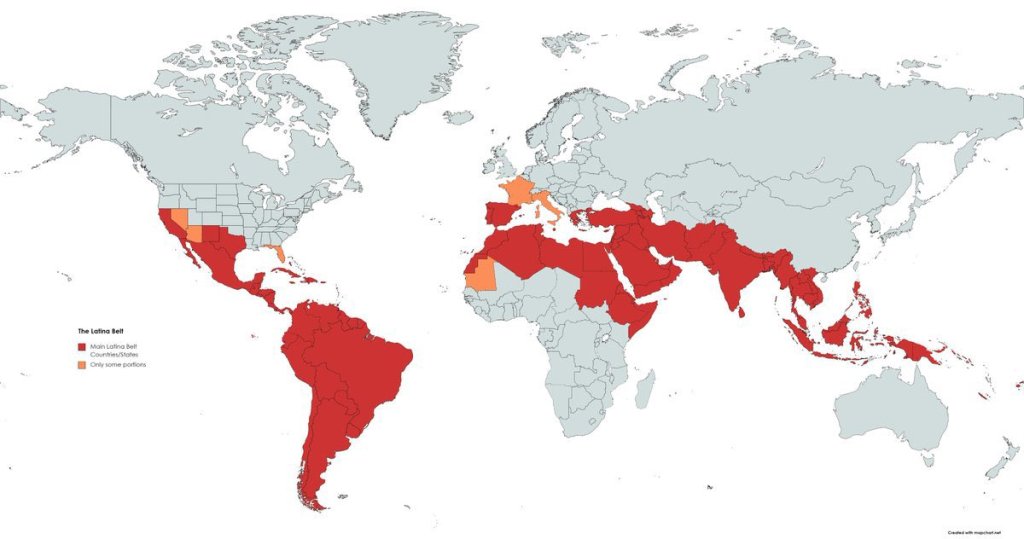
- From Morocco to India, people now claim they’re part of the “Latina Belt”, where the same love for plastic chairs, music, and food is being shared.
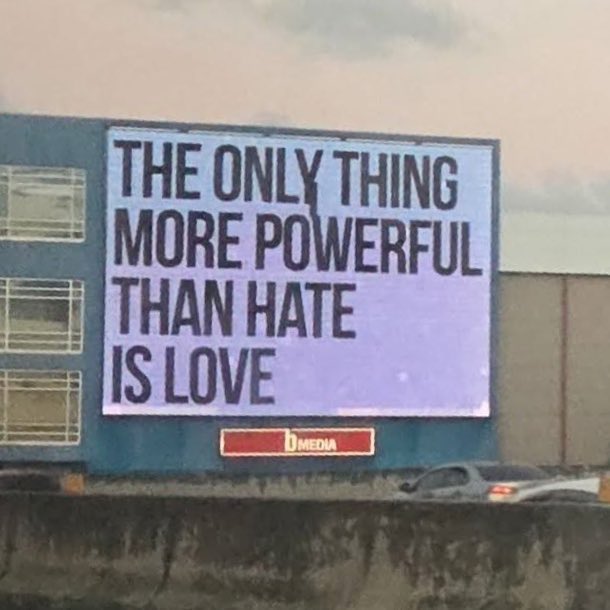
- The fun displaced by Bad Bunny and his performers led to the “Joy is resistance” quote, shared widely on social media.
The performance gives pride to people in the Majority World because it signals that you can be successful even though you refuse to sing in English and even though the president of your country doesn’t want to attend your concert. Some of the political messages addressed by the rapper in the halftime show are:
- The sugar cane fields, as a nod to Puerto Rico’s colonial history.
- Bad Bunny waving the Puerto Rican flag as a cue to the time it was prohibited to do so (read about the Gag Law).
- The celebration of Puerto Rico’s daily life when migrant lives are under attack. Including bartender Tonita, owner of the famous Caribbean Social Club in New York, founded in the 1970s.
- Puerto Rico’s ongoing electric/power crisis (with the utility pole dancers) and the song El Apagon (the blackout).
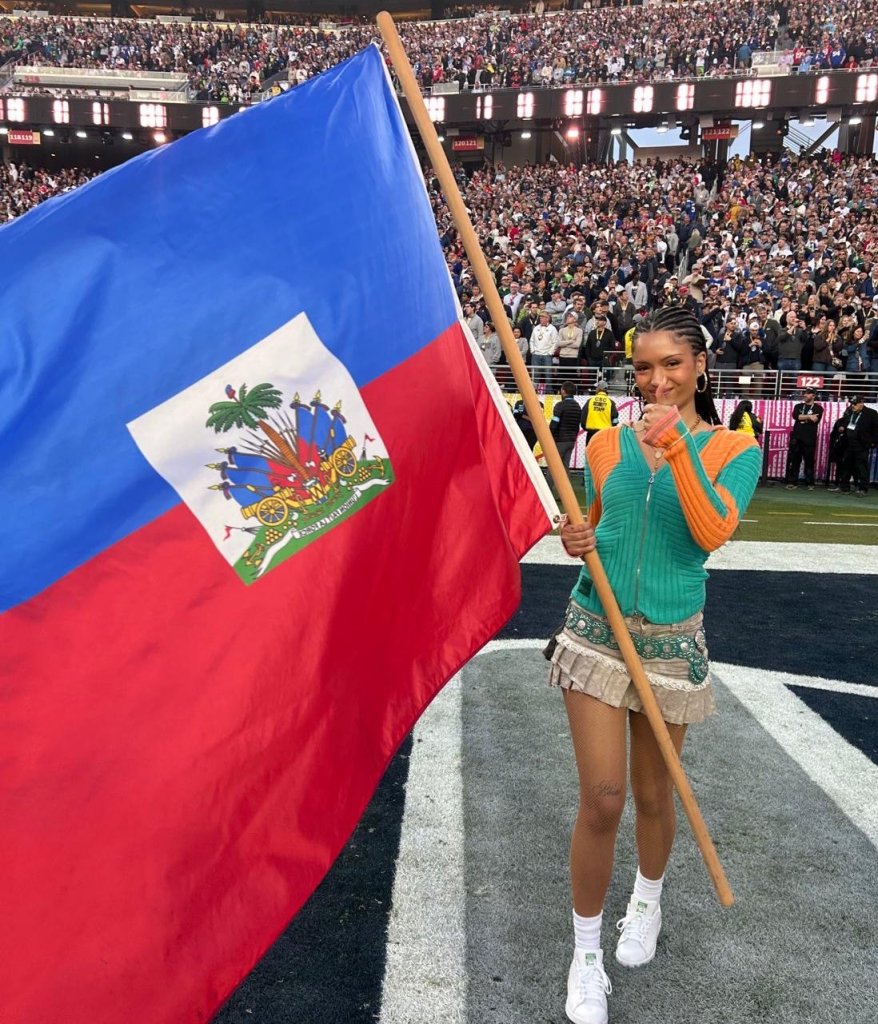
- The ribbed knit top worn by the woman waving Haiti’s flag refers to the historic picture by photographer Jay Maisel’s Haiti, 1973 series, specifically the picture “Haiti No. 59”.
- Puerto Rican sign language interpreter and performer Celimar Rivera Cosme made history signing Bad Bunny’s Super Bowl halftime show in Puerto Rican Sign Language (LSPR).
- Two women are standing next to cinder blocks and holding a trowel to represent the people of Puerto Rico rebuilding after Hurricane Maria.

Two days after the performance, I checked on social media the accounts of activists I admire and continuously learn from—people who sharpen my thoughts, especially around the focus on decolonization and inequality. It was a bit disappointing to read their perception of what happened on Sunday night. Some of what was shared:
- “The Super Bowl CAN’T be a place for resistance.”
- “Lady Gaga, Ricky Martin, and musicproducer Yuval Chain, are all known Zionists.”
- “Bad Bunny wore clothes from Zara, known for being an unethical brand and company, and, according to the BDS movement, also supporting Israel in the Gaza genocide.”
- “The owners of the NFL are all over the Epstein files.”
All of this might very well be legitimate points of criticism, and yet, it also gave me an instant feeling of tiredness. I know that Bad Bunny criticized the system while being part of it. The Super Bowl in itself is a capitalistic undertaking where resistance can’t be much more than entertainment. Not all people involved have taken a stance against Israel in the genocide, and surely Zara and the NFL are corporations with disputable track records.
Discussions around this happen in academia and activist spaces a lot, too. If researchers support the decolonization movement, should they still attend conferences funded and organized by people who don’t?
The answer isn’t simple. Bad Bunny could have refused to perform, but if you look at his career, you can’t deny that this stage at the Super Bowl halftime show was a cherry on the cake for him as a Latino who has stuck to his principles from the beginning.
The fact that American journalist, attorney, political commentator, and media personality Megyn Kelly had such a white supremacist take on the Bad Bunny performance in Piers Morgan’s show, calling it “a middle finger to the rest of America”, should be enough evidence of the fact that it did have an effect. Bad Bunny provided a much-needed morale boost for many people who are hurt by what is happening in the US and beyond, and for those fearful of the future, as I read in one of the internet comments.
The lessons going forward should be nuanced and realistic:
- Don’t make Bad Bunny a hero. Yes, he made use of his moment, but he is also just another human being who showed us that he is nothing without his community. His performance wasn’t that of one artist shining by himself; he literally felt carried by the people around him. (See his bungee jump from the stage).
- Different realities can exist next to each other. The performance was good AND there is still a genocide in Gaza and a war in Ukraine, and Sudan, Myanmar, etc. If you only train yourself to see the negative, without acknowledging the good things, you burn out.
- Look at the systems vs the individuals. Surely, Bad Bunny’s performance won’t dismantle empire, but it also doesn’t automatically strengthen it in the same way an arms manufacturer does. The analysis needs to be proportional. The political reality and inequality get flattened if you treat all complicity as equal. Besides that, if everything is equally bad, nothing becomes urgent.
- If you want to criticize, you have the right to do so, but the real power lies in building alternatives: independent media, community funding models, cultural spaces, and cultural celebration for minorities, for the in-betweens, for the Majority World, journalism that complicates instead of simplifies. The Super Bowl is capitalist, yes, but how to strengthen the stages Bad Bunny performed before he reached here? Relocating money and attention helps to structurally change something.
- Accept emotional complexity as political maturity. I felt tired reading about all the negative comments. It affects my nervous system and makes me less capable of continuing the work. Joy might not be resistance, but it’s also not apolitical. I can choose to refuse letting despair define my analytical view; that’s also resistance. I can celebrate Bad Bunny and Puerto Rican culture while critiquing the NFL, while also grieving for Gaza, and being aware of corporate complicity. That’s what being an adult is, and it’s actually also decolonial thinking; refusal of Western binary frameworks.
- Visibility is not the same as impact, so someone’s criticism might be going viral online, but it doesn’t say anything about what fundamentally changes on the ground. Moral policing often creates more social friction, while society needs more organizing.
- It’s clear that the mainstream media and social media platforms work as distractions. Emotional spikes are created continuously, from outrage to pride, to scandals, to celebrities. While Bad Bunny’s performance is reaching all the headlines, there are still many bad things happening in this world. Selective outrage and moral policing are understandable, but don’t solve this issue. Instead, you can celebrate cultural shifts while also refusing hero worship, and in the meantime, keep tracking structural power elsewhere (The Epstein files, Gaza, media consolidation, etc.).
No act inside the system or empire will be “clean”, but some will widen your cultural imagination and strengthen the community. Being a purist, a cynic, or an apathetic person isn’t helpful; it’s better to focus on the long term, keep yourself emotionally regulated, build alternative institutions in parallel, and be proportionate in your criticism.
The world is an unequal space, and resistance will always be imperfect, unfortunately. The goal should be to reduce harm and expand agency, something that won’t happen in purely uncontaminated spaces. That’s how you can stay politically awake without becoming spiritually exhausted.
Subscribe to the Inclusive Journalism Newsletter every Sunday in your inbox.
 Inclusive Journalism
You must be logged in to post a comment.