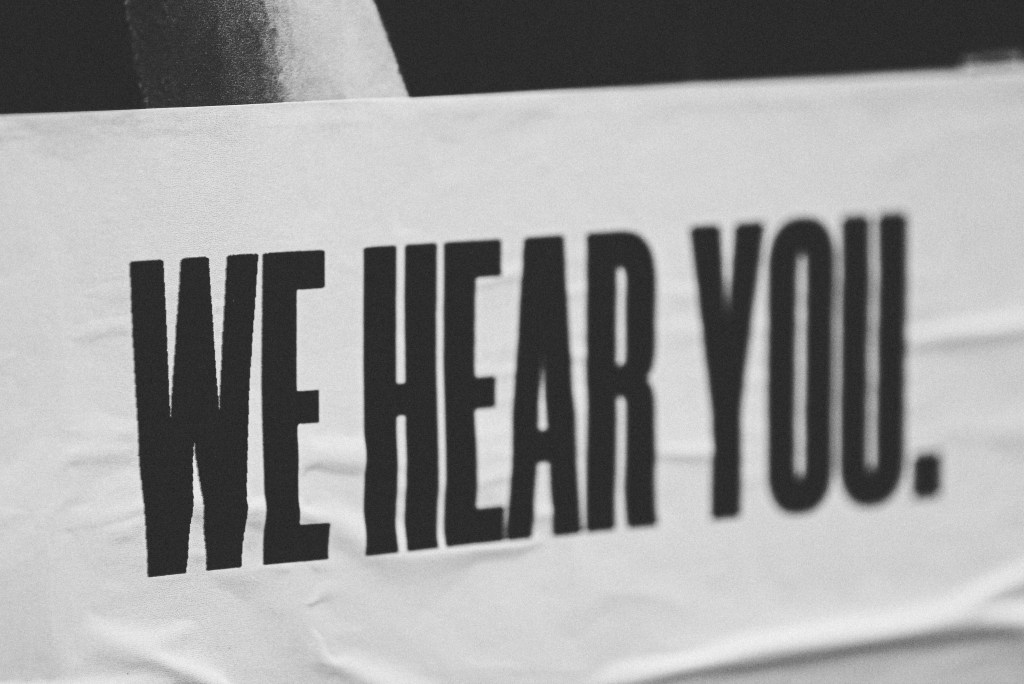
“Come as you are” was the invitation for the listening circle for journalists, content creators, and media professionals feeling the ground shift beneath their feet. Amid all the chaos, uncertainty, and relentless change swirling through the journalism industry right now, Mili Semlani and I want to offer something simple: a moment to breathe. It was the third edition, and busier than before.
About eight participants from different countries around the world shared their feelings of burnout and guilt around taking time off. Freelancing is challenging because of the unpredictability: it can feel empowering to work independently, but it can also fuel anxiety. Some participants had been made redundant and hadn’t yet found a new role. It can offer opportunities — and also make you feel very nervous.
We discussed some deep truths about how journalists are good at creating content, but not at selling or marketing it. At the same time, journalism skills are worth something: being able to write and edit well, convey a message to an audience, and do proper research are valuable in many other professions. “Don’t underestimate your skills”, one participant said.
Our journalism egos, though, tend to blow up our journalist identity. “God, it becomes your entire identity,” someone added in the Zoom chat. The term “work enmeshment” was mentioned: the psychological state in which your identity becomes overly intertwined with your job, blurring the lines between professional and personal life. It often happens to journalists and can lead to mental health issues.
As a coach, I noticed a few seemingly small remarks that are worth pausing for:
- “The idea of having to be continuously present online.” We see others posting frequently on LinkedIn or other platforms. And some digital marketers say you need to be visible all the time. It should never be at the expense of your mental health, and it helps to define a clear online strategy for yourself: separate your personal and professional accounts, pick a few accounts to focus on, and limit daily time online.
- “The idea that working in the evenings or at night is not ok.” If we work in the evenings or weekends, others might say, “Oh wow, you should take time off.” But what if you’re more productive at night? Try to let go of other people’s opinions and work 14 hours a day if that works for you. On the other hand, do take enough time off. Just saying: it doesn’t have to be a classic 9-to-5 on weekdays. Some people function best with two intense workdays followed by two days of rest. Find your own rhythm.
- “The idea that you need to know everything all the time.” Especially now, in the age of Artificial Intelligence (AI), participants felt pressure to constantly stay up to date. Yes, it’s good to understand the technology, but you don’t need to become an AI expert. Several people mentioned how this creates “so much pressure.” Please, don’t exhaust yourself.
- “Being hard on yourself for taking time off, even though you really needed it.” Even when we know we’ve reached the limit of our mental and physical capacity, we can still feel guilty after taking a break. I hear this so often, not just during the listening circles but also in individual sessions. It’s actually terrible that we feel guilty about giving our minds and bodies rest. Follow the work of The Nap Ministry for a different way of thinking about rest. You deserve to rest!
- “Constantly questioning ourselves.” One big reason why this listening circle is important is that we gather and realize we’re not alone. The fact that we recognize our struggles in other people’s words already makes things lighter. You’re not crazy. We’re in this together.
Halfway through the session, one participant asked a meaningful question: “What keeps you going?” Amidst all the drama in the world and the challenges in journalism, what makes you continue? What motivates you?
Here are some responses from the Zoom chat:
“I don’t want to sound naive, but I think keeping in mind that so many people out there are working hard to create beauty… it’s like choosing to look toward the light. I’m trying to be intentional in connecting with the people around me, so we can better understand and face what we can handle together.”
“A strong belief that what I’m working on is valuable and beneficial to the people.”
“If it will not happen today, then it will happen tomorrow or the day after. The faith in the unknown keeps me going.”
The answers were diverse, and they all related to creating space:
Space between who you are and your job.
Space between your work and everything else (walks in nature!).
Space between grief and the gratitude of being alive, as one participant reflected, in the context of the Indian plane crash.
It’s a transformative time on many fronts: personally, but also geopolitically, and it’s affecting our work.
Mili said she’s still “a big fan of humans” and reminded us of the importance of connecting joy with the hard stuff. We concluded that seeking hobbies outside of work, connecting with people in other professions, improving your personal relationships, and diving deeper into topics you’re curious about all help. Contributing your innovative views on journalism and collaborating more closely with activists can even support your mental health. Taking action is key in all of this.
And as someone beautifully shared in the chat:
If you’re facing difficult decisions, think about impressing only two people — your 85-year-old self and your 5-year-old self.
We ended with a 10-minute relaxation exercise to emphasize the importance of our body-mind connection.
Do you want to join the next listening circle? Subscribe to the Inclusive Journalism Weekly to get an update, or follow Mili or Sanne on Instagram.
 Inclusive Journalism
You must be logged in to post a comment.